We independently review everything we recommend. When you buy through our links, we may earn a commission. As an Amazon Associate we earn from qualifying purchases.
5 Best Shade Sails for Patios and Gardens (November 2026)
Compare five shade sails for patios and gardens, from triangles to rectangles, and pick a durable fabric canopy that blocks sun without blocking airflow.
Compare five shade sails for patios and gardens, from triangles to rectangles, and pick a durable fabric canopy that blocks sun without blocking airflow.
A patio that bakes in afternoon sun needs shade that actually covers the chairs, not a small umbrella that follows the sun around the yard. A shade sail answers that problem with a sheet of tensioned fabric, hung from walls, posts, or trees, that can cover a whole seating area for far less than a fixed roof. The catch is that sails are not one-size-fits-all: shape, fabric weight, and anchor spacing all change how much shade you get and how long the fabric holds up.
This guide is for homeowners shading a patio or deck, renters who want cover they can take down, and anyone covering a pool deck or garden seating area without building a structure. Each sail below was chosen from the names and specs on its Amazon page, with size, shape, fabric weight, and included hardware checked against what the listing actually states.
Quick Picks
As an Amazon Associate we earn from qualifying purchases
Product
Best for
Key spec from title
ColourTree 20-Foot Beige Triangle
Large open yards
20-foot beige triangle
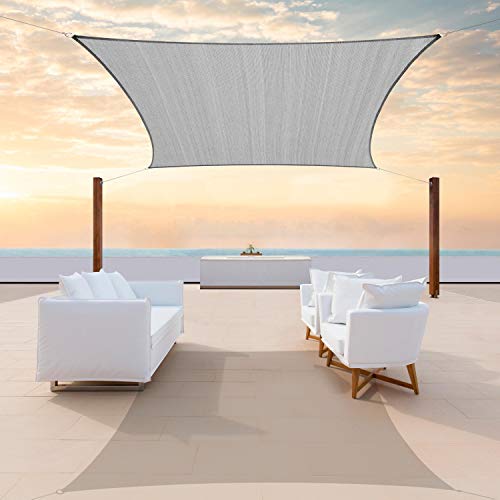
ColourTree 12-by-16-Foot Gray Rectangle
Dining sets and patios
12-by-16-foot gray rectangle
AsterOutdoor 12-by-16-Foot Cream Rectangle
Ropes included in the box
12-by-16-foot cream rectangle
Shade&Beyond 20-Foot Light Grey Triangle
Wide triangle coverage
20-foot light grey triangle
SUNNY GUARD 10-by-13-Foot Sand Rectangle
Small patios and decks
10-by-13-foot sand rectangle
How to Choose
Shape and Coverage Area
Triangles need three anchor points and rectangles need four, and that single difference decides which shape fits your yard. A triangle suits a corner or a spot with one wall and two posts, while a rectangle covers a dining set or a square patio more evenly. Measure the span between your anchors first, then pick a sail smaller than that span, since the fabric needs room for ropes or hardware at each corner. A sail that matches the span exactly will sag or pull its anchors inward. Big triangles cover surprising ground with only three fixings, which is why the two 20-foot triangles in this guide suit open yards.
Fabric Weight and Sun Block
Fabric weight, listed in grams per square metre, tells you how heavy and how durable the cloth is. The sails in this guide run from 185 to 190 GSM, a middle range that blocks most direct sun while staying light enough to tension by hand. Every sail here uses high-density polyethylene, a breathable weave that lets air pass through so heat does not build up underneath. All five list a sun block of 95 percent, which is the figure to compare when brands use different wording. Breathable fabric also lets rain through, so treat these sails as sun cover, not as a roof. Heavier waterproof cloth exists, but it catches more wind and needs stronger anchors.
Hardware, Ropes, and Anchoring
Some sails arrive with ropes in the box and some arrive as cloth alone, and that gap changes the cost of the job. Ropes work for a hang between a house wall and a tree, while a fixed install wants turnbuckles, pad eyes, and hardware that will not rust in rain. Check the listing for what is included before you order, and budget for a hardware kit when the box holds cloth only. Stainless steel D-rings at the corners spread the load and resist corrosion, so prefer sails that name them. Leave half a foot to two feet between each D-ring and its anchor point, which gives room to tension the fabric without pulling the sail out of shape.
Fit, Slope, and Weather Limits
A shade sail works best with a slope, one side higher than the other, so rain runs off instead of pooling in the middle. Even breathable fabric can hold a surprising weight of water on a flat hang, which stretches the cloth and strains the anchors. Plan the high and low sides before you drill anything, and keep the lowest corner above head height so nobody walks into a wet edge. Wind is the other limit: take the sail down before a storm, since a tensioned sheet catches gusts like a sail on a boat. Most makers also warn that HDPE can shrink slightly, so expect a small size tolerance and measure twice.
The 5 Best Options
ColourTree 20-Foot Beige Triangle Shade Sail
The largest sail in this guide, the ColourTree 20-foot triangle covers a wide stretch of yard with only three anchor points, which suits open lawns and pool decks where a fourth post would get in the way. The beige HDPE cloth is rated at 190 GSM and blocks 95 percent of direct sun, while the breathable weave lets air move through so the space below stays cooler than it would under a solid roof. Rust-free D-rings sit at each corner, and the listing offers custom sizes for odd spans. It is the pick for buyers who want maximum coverage from a single sheet of fabric.
Best for: Large open yards, lawns, and pool decks with three strong anchor points.
Watch out for: One field in the listing shows a different size, so confirm the 20-foot size in the size selector before ordering.
ASIN: B0777837X4
The 12-by-16-foot ColourTree rectangle is the workhorse size in this guide, big enough to shade a dining set and small enough to hang between a house wall and two posts. The same 190 GSM virgin HDPE cloth as the triangle above blocks 95 percent of direct sun, and the rust-free D-rings take standard ropes or hardware. Gray hides dust and pollen better than pale colours. The listing offers custom sizes, so the same cloth can be ordered to fit a narrower patio. Check stock before ordering: the Amazon crawl showed no featured offers in the offer area while the same crawl carried Add to Cart and Buy Now.
The AsterOutdoor rectangle matches the ColourTree rectangle on size but wins on what comes in the box: four 5-foot polyethylene ropes and an instruction sheet, so a hang needs nothing extra. The cream 185 GSM HDPE cloth blocks 95 percent of direct sun, and the curved sides add pull strength that helps the sail hold tension without drooping. Stainless steel D-rings sit at the corners, and the listing carries a 5-year warranty. Cream brightens a shaded corner, though it shows dust sooner than gray. The Amazon tracker showed a current Amazon offer in early February 2026, so confirm stock and the cream colour in the size selector before ordering.
Wide open decks and pool areas where a rectangle would need a fourth post.
Watch out for
Hardware is not included — ropes only — so buy turnbuckles or pad eyes separately; the Amazon crawl is several months old, so confirm stock before ordering.
The second 20-foot triangle in this guide, the Shade&Beyond light grey sail covers the same wide span as the ColourTree triangle with a lighter 185 GSM cloth. Thick polypropylene ropes come in the box, and the model number SBST202040-FBA marks the exact 20-foot light grey variant in the listing. The breathable HDPE lets air through, and the pale grey tone suits patios where a beige sail would clash with stone or siding. The Amazon crawl for this listing is several months old, so confirm stock and the light grey colour in the size selector before ordering. Hardware is not included, so budget for turnbuckles or pad eyes.
Small patios, decks, and balconies that need a compact rectangle.
Watch out for
The listing is not water resistant — rain will pass through — and the maker advises leaving half a foot to one foot between the fixing point and the sail for hardware.
The smallest sail in this guide, the SUNNY GUARD 10-by-13-foot rectangle fits patios and decks where a 12-by-16-foot sheet would overwhelm the space. The sand-coloured HDPE cloth blocks up to 95 percent of direct sun while letting air through, and three to four thickened ropes come in the box for a first hang. Stainless steel D-rings sit at the corners, and the listing offers custom sizes for odd spans. Sand blends with stone, timber, and pale siding, and the compact footprint keeps tension easy to hold. The Amazon crawl for this listing is several months old, so confirm stock and the sand colour in the size selector before ordering.
Which One Fits Your Situation
A Small Patio Between Two Walls
A 10-by-13-foot rectangle fits a narrow patio or balcony with a wall on one side and posts on the other, and the SUNNY GUARD sand rectangle is the natural match. Its compact footprint tensions easily, the sand tone blends with stone and timber, and the included ropes cover a first hang. Measure the span first and leave room for hardware at each corner, since a sail that fills the whole gap will sag.
A Wide Open Yard or Pool Deck
Open ground with no nearby wall calls for a big triangle, and the two 20-foot triangles in this guide cover a lounge group with only three anchor points. The ColourTree beige triangle brings heavier 190 GSM cloth, while the Shade&Beyond light grey triangle brings a lighter 185 GSM cloth and ropes in the box. Either one needs three strong anchors — trees, posts, or a house corner — set wide enough to hold tension.
Shade Over a Dining Set
A dining set wants a rectangle that covers the table evenly, and the two 12-by-16-foot rectangles in this guide do exactly that. The ColourTree gray rectangle hides dust between cleanings, while the AsterOutdoor cream rectangle ships with ropes and a 5-year warranty. Hang the sail with a slope so rain runs off one side, and keep the lowest corner above head height so nobody brushes a wet edge at dinner.
A Seasonal Setup You Take Down
Renters and seasonal users want a sail that goes up in spring and comes down before winter, and a lighter cloth with ropes included makes that job easy. The AsterOutdoor cream rectangle and the SUNNY GUARD sand rectangle both ship with ropes, fold small for storage, and hang from temporary fixings. Take the sail down before a storm, let it dry before folding, and store it out of damp so the fabric stays fresh for the next season.
Common Mistakes
Measuring anchor to anchor and ordering a sail the same size, leaving no room for ropes or hardware at the corners.
Hanging a sail flat, which lets rain pool in the middle and stretches the cloth.
Expecting a breathable HDPE sail to keep rain off a dining set.
Anchoring to a weak fence post or thin branch that bends under tension.
Skipping the slope, so one corner sits low enough for people to walk into.
Frequently Asked Questions
Do shade sails keep rain off?
No. The five sails in this guide use breathable HDPE, which lets air and water pass through, so they shade against sun rather than sheltering against rain. A slope helps runoff, but a heavy shower will still drip through. If rain cover matters more than airflow, look for a waterproof sail with a PU coating and a steep tilt, and expect it to catch more wind.
How much smaller should the sail be than the anchor span?
Leave roughly half a foot to two feet between each corner and its anchor point, depending on the hardware you plan to use. Ropes need less room than turnbuckles, and a permanent install needs more slack for tensioning. Measure the span between anchors first, subtract the margin on each side, and order the sail size that fits inside the result.
Can I hang a shade sail without poles?
Yes, when the yard offers other anchors. House walls, sturdy posts, and mature trees all work, as long as each point can hold tension without bending. Poles are only needed where no anchor exists, and they are sold separately from every sail in this guide. Budget for posts and footings when the plan calls for them, since they cost more than the sail itself.
How do I clean a shade sail?
Brush off loose dust, then wash the cloth with mild detergent and water using a soft brush or sponge. Never use a stiff brush or an abrasive pad, which can damage the weave, and never put the sail in a washing machine or dryer. Rinse well, let the sail dry in the air before folding, and take it down before severe weather to keep the fabric in good shape.
C
Carros Editorial Team
We compare specs, materials and verified owner reviews before a product earns a spot. Rankings are never paid.
Affiliate disclosure. As an Amazon Associate we earn from qualifying purchases at no extra cost to you. Prices accurate as of the date shown.
The best rechargeable CR123A batteries compared by chemistry, voltage and charger: SureFire LiFePO4, Tenergy and Nitecore RCR123A cells, plus the safety checks that matter first.
The best batteries for the Traxxas 1/16 E-Revo VXL compared: Traxxas Series 1 NiMH, HRB and Gens ace 2S 2200mAh LiPo packs, fit, connectors, parallel running, and charging safety.
How to choose a 510 thread battery for Brass Knuckles vape cartridges: voltage ranges, draw vs button activation, cartridge fit, charging, and safety checks explained.
How to pick a stereo keyboard amplifier with balanced line outputs, from power and speaker size to XLR outs, stereo linking, and the five models that set the standard.
A radial drill press swings its head out from the column to reach wide boards and off-centre holes. Learn how swing, spindle travel, speeds and chuck size decide the right machine.
Diamond-frame commuter e-bikes explained: fit, motor feel, battery range, and the equipment that makes a daily ride work, plus the mistakes to avoid before buying.
Find the best tablets under 125 for streaming, reading, school and family use. Compare five budget tablets with strong battery life and sharp displays.
Find the best window fans to cool a room with our guide to twin-blade models, thermostats, remotes, and window fit — compare airflow, noise, and controls.



 SUNNY GUARD 10-by-13-Foot Sand Rectangle Shade Sail