We independently review everything we recommend. When you buy through our links, we may earn a commission. As an Amazon Associate we earn from qualifying purchases.
4 Best Carbon Remover Solvents for Firearms (November 2026)
Four firearm carbon remover solvents compared by soak use, bottle format and named parts, from bolt carriers and bores to suppressor baffles and chambers.
Four firearm carbon remover solvents compared by soak use, bottle format and named parts, from bolt carriers and bores to suppressor baffles and chambers.
The real decision is not which bottle smells nicest. Carbon baked onto a bolt tail, a gas piston or a set of suppressor baffles behaves very differently from the light fouling a general gun cleaner wipes away, and the wrong product choice shows up as an hour of scrubbing that never quite gets the part clean. Buyers have to decide first whether their carbon sits on parts they can remove and soak, or inside a bore that only a patch can reach, and then check that the formula is cleared for the metal and finish in front of them.
This roundup is for AR owners fighting bolt carrier carbon, precision shooters chasing a carbon ring at the chamber, suppressor owners with heavy baffles, and anyone who cleans indoors and wants to avoid harsh fumes. Every pick below was chosen from its Amazon listing name and stated specifications: bottle size, format, the parts the listing names, and the soak or spray method it describes.
Quick Picks
As an Amazon Associate we earn from qualifying purchases
Product
Best for
Key spec from title
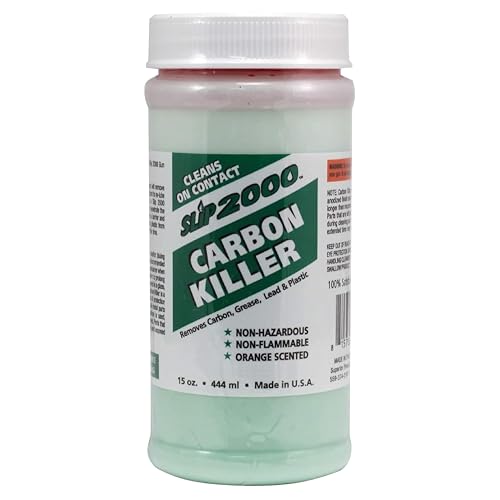
Slip 2000 Carbon Killer 15 oz
Soaking stripped bolt carrier groups
15 oz water-based soak liquid
Bore Tech C4 Carbon Remover 4 oz
Bores, throats and chamber carbon
4 oz squeeze bottle, ammonia free
Breakthrough Clean Suppressor Cleaner 16 oz
Suppressor baffles and sealed cans
16 oz spray for aluminum, steel, titanium
M-Pro 7 Gun Cleaner 8 oz
Indoor spray-and-patch cleaning
8 oz spray, odorless formula
How to Choose
Start With the Part, Not the Brand
Carbon collects in places that need different treatment. A bolt carrier group, gas piston or suppressor baffle stack can be pulled out and submerged, so a soak liquid works on the whole surface at once. A bore, throat or chamber cannot be dunked, so those spots need a solvent that rides on a patch or brush. Read the parts list in each listing before buying: the products below name their intended parts plainly, and a bottle written for internal metal parts is a poor match for wiping down an exterior finish.
Check the Material and Finish Limits
Dedicated carbon removers are strong chemistry, and listings draw clear lines around what they should touch. The suppressor cleaner here names aluminum, stainless steel and titanium as its working metals. Soak-style products are written for internal metal parts, and makers warn against long soaks on anodized or coated surfaces. If your rifle wears a coated carrier or a finished muzzle device, match the listing language to your parts first, keep soak times to what the directions state, and spot-check a hidden area when a finish matters to you.
Match the Bottle Format to Your Routine
Format decides how much solvent you actually use. A small squeeze bottle with a dispensing cap puts drops on patches and suits bore work, where a little liquid goes a long way. Pump and trigger sprays cover bores and benches quickly for spray, brush and wipe sessions. A larger open bottle is the soak format, sized to fill a tray or jar for stripped parts. The four picks here run from 4 to 16 fluid ounces, so pick the size against how many guns you clean and how often they shoot.
Plan the Rinse, Dry and Re-Lube Step
A carbon remover’s job ends at bare metal. These formulas strip fouling, and they take protective oil with it, so a cleaned part left on the bench is exposed steel. Water-based options also need a thorough dry before storage. None of the four listings below claims a lubrication step, so keep your usual gun oil within reach and treat oiling as part of the same session. One pick lists a short-term rust preventative in its formula, but even that is a bridge to proper oiling, not a replacement for it.
This is the pick built around a soak rather than a patch. The 15-ounce bottle is sized for submerging a stripped bolt carrier group, gas piston or muzzle device and letting the water-based formula loosen baked carbon before a brush ever touches the part. The listing aims it at internal metal parts and names bolts, carriers, compensators, gas pistons, flash suppressors, silencers, bores and revolver cylinders. Because the liquid can be poured back and used again, one bottle covers many cleaning sessions for shooters who strip parts after every range trip.
C4 is the bore-first entry here, sold in a small squeeze bottle with a twist dispensing cap that puts drops on a patch instead of flooding the bench. Bore Tech positions it for heavy carbon fouling in barrels, throats and chambers, and the listing also names AR bolts and carriers, flash suppressors, compensators, revolver cylinders and gas pistons. The formula is ammonia free and odor free, and the listing adds a short-term rust preventative, which suits precision rifles that get cleaned carefully at the bench and then sit in a safe between matches.
Suppressor owners get a dedicated formula instead of a general gun cleaner. This 16-ounce spray is a water-based carbon remover that the listing says dissolves heavy carbon and lead deposits on a firearm’s suppressor, and it names aluminum, stainless steel and titanium as the suppressor metals it covers. The same listing says it neutralizes corrosive residues and helps prevent rust and corrosion without etching the surface. It fits shooters who clean baffles or a sealed can on a schedule rather than waiting until the suppressor gains noticeable weight from fouling.
M-Pro 7 takes the spray-and-patch route for people who clean indoors. The 8-ounce spray bottle listing says the cleaner removes embedded carbon, lead and most copper fouling, and describes the formula as odorless and non-toxic, so it suits apartment benches and garage sessions where solvent fumes are a problem. The listing also says it conditions the bore to help reduce future build-up, which matters for training guns that get cleaned every week. It is a cleaner only, with no lubrication step claimed, so keep a separate oil on the bench.
Specs
Size: 8 fl oz spray bottle, part number 070-1005
Stated targets: embedded carbon, lead and most copper fouling
Formula notes from listing: odorless, non-toxic, biodegradable
Extra from listing: conditions the bore to help reduce future build-up
Application: spray onto a patch or brush for bore and component cleaning
Country of origin: United States
Best for: indoor cleaning sessions where fumes rule out traditional petroleum solvents.
Watch out for: it leaves no protective film, so every cleaned part needs oil immediately after drying.
ASIN: B081K4WTCD
Which One Fits Your Situation
Your Bolt Carrier Group Comes Home Caked in Carbon
Strip the carrier, bolt, piston and muzzle device and give them a bath. The Slip 2000 Carbon Killer is the only pick here sold as a soak liquid in a bottle sized for submerging parts, and its listing names exactly those internal components. A short soak loosens the baked layer so a brush finishes the job, and the leftover liquid goes back in the bottle for the next session.
You Chase Accuracy and Watch the Chamber Throat
A carbon ring ahead of the chamber is patch work, not soak work. Bore Tech C4 rides on patches through the bore, its listing names throats and chambers directly, and its stated soak window of 5 to 10 minutes gives the formula time on the ring. The small squeeze bottle also meters drops neatly, which matters when the rifle is already mounted in a cleaning cradle.
Your Suppressor Is Getting Heavier and Louder Inside
Baffle fouling is carbon mixed with lead, and it needs the dedicated formula. Breakthrough Clean’s Suppressor Cleaner is written for aluminum, stainless steel and titanium suppressors and says it dissolves heavy carbon and lead deposits while neutralizing corrosive residue. Build it into a fixed schedule after range days rather than treating it as a rescue product once the can is visibly fouled.
You Clean at a Kitchen Table or in a Small Apartment
Fumes decide this one. M-Pro 7’s listing describes an odorless, non-toxic spray that still removes embedded carbon, so you can work through a bore and wipe down components without airing out the room afterward. Pair it with a mat, patches and your normal gun oil, since the cleaner itself leaves metal bare and unprotected once it dries.
Common Mistakes
Soaking anodized, coated or painted parts far longer than the listing directions allow, then blaming the solvent for a faded finish.
Using an internal-parts soak liquid on wood stocks, polymer frames or exterior finishes the listing never names.
Putting a gun away wet after a water-based cleaner, which invites rust on the bare metal the solvent just exposed.
Skipping the oil step because the parts look clean, even though carbon removers strip protective lubricant along with fouling.
Reaching for a suppressor-only formula to clean a bore, or a bore product to soak baffles, instead of matching the product to the part.
Frequently Asked Questions
Can a carbon remover replace my regular bore cleaner?
Not completely. A dedicated carbon remover targets carbon first, and some also handle lead, but copper jacket fouling often needs its own step. M-Pro 7’s listing claims most copper fouling as well, while the soak and suppressor picks here stay focused on carbon and lead, so many shooters keep both product types on the bench.
How long should firearm parts soak in a carbon remover?
Follow the window printed with the product you bought. Bore Tech’s listing directions give 5 to 10 minutes for a bore soak, while suppressor cleaning schedules run longer because baffle fouling is thicker. Longer is not automatically better: extended soaks are where coated and anodized finishes get into trouble, so set a timer instead of walking away.
Are these solvents safe on coated and anodized finishes?
Only within the limits each listing states. The suppressor cleaner names aluminum, stainless steel and titanium, and soak products are written for internal metal parts. Makers caution that prolonged contact can discolor some post-factory finishes, so keep soak times short, rinse and dry promptly, and check an inconspicuous spot first on any finish you care about.
Do I need to lubricate after using a carbon remover?
Yes, every time. Carbon removers strip fouling and the oil film with it, and none of the four listings here claims to lubricate. Dry the parts fully, especially after a water-based formula, then apply your normal gun oil to the bore, bolt and contact surfaces before the firearm goes back into storage or service.
C
Carros Editorial Team
We compare specs, materials and verified owner reviews before a product earns a spot. Rankings are never paid.
Affiliate disclosure. As an Amazon Associate we earn from qualifying purchases at no extra cost to you. Prices accurate as of the date shown.
Compare four luxury gas grills from Napoleon, Broil King and Lion by burner output, cooking area, stainless build and the rotisserie hardware included.
Compare the best retractable awning for truck setups: side-mount pull-out shade, LED lighting, freestanding 180-degree and 270-degree coverage for camping.
The best 5x5 5 17 inch wheels for trucks and Jeeps: four 17-inch wheels with a 5x5.5 bolt pattern compared by offset, backspacing, bore and load rating.
Compare four DTF printers for small apparel shops, from A3 L1800 starters to faster XP600 machines with shaker ovens, and pick by width, speed and upkeep.
The Fitbit Blaze is discontinued, so compare 4 current Fitbit trackers and watches with GPS, sleep tracking and multi-day battery to find your replacement.
Compare 4 crossbow scope mounts and rings by rail type, tube size, ring height, and recoil features so the mount fits your crossbow rail and scope tube.